Source rechargeable ems abdominal muscle stimulator for Body, Waist, and Abdomen
Compare 30 listings of rechargeable ems abdominal muscle stimulator devices featuring portable designs and multiple massage modes. Buyers can evaluate specifications like battery capacity, material, and control functions from verified Chinese manufacturers.
Key considerations
Products List
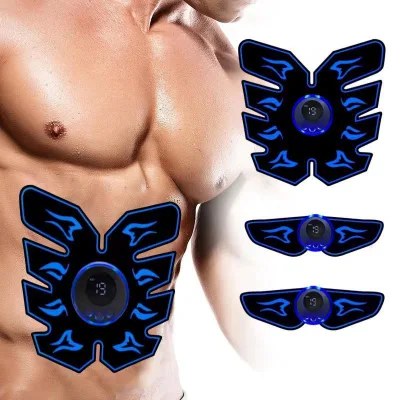
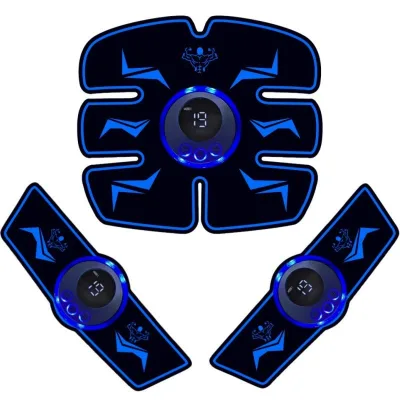
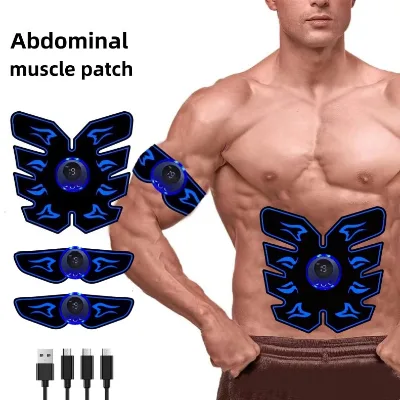
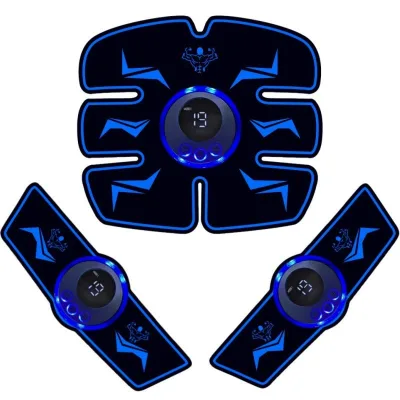
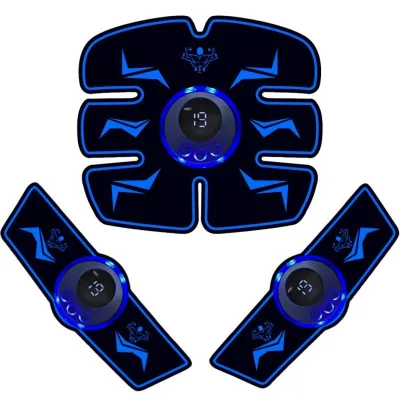
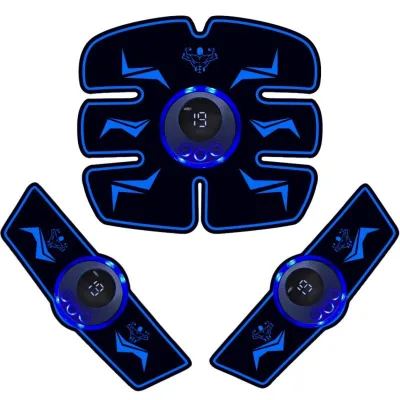
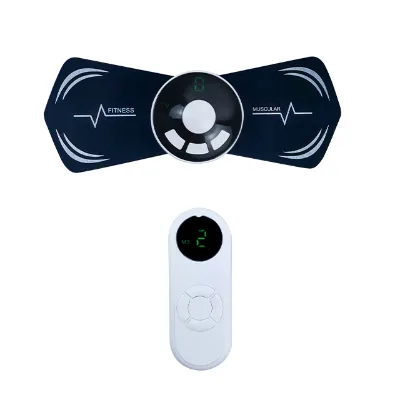
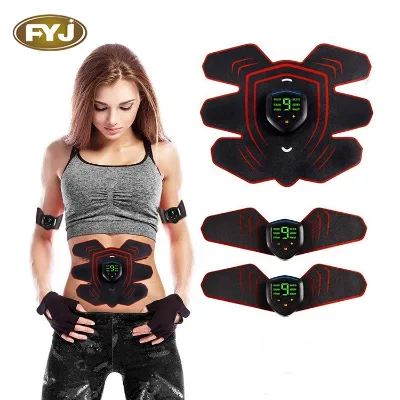
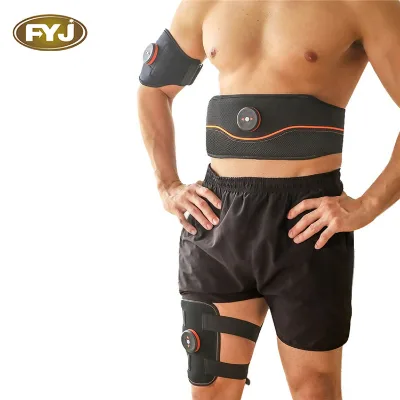
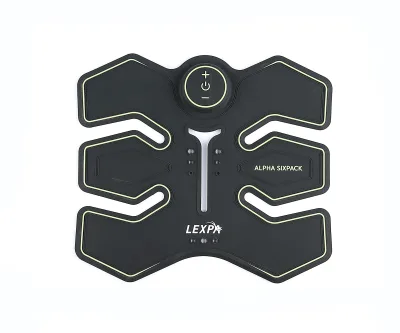



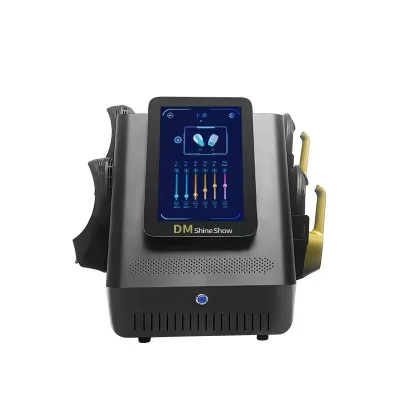
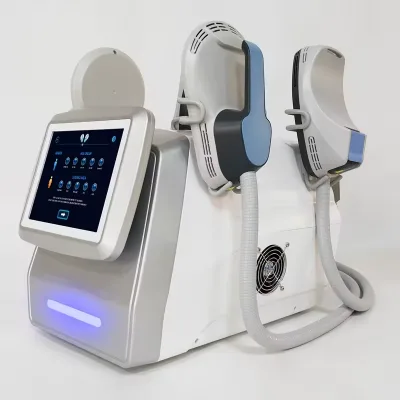
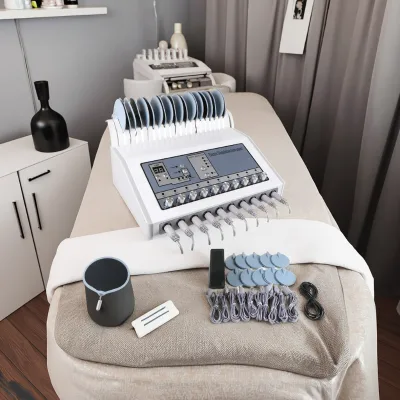


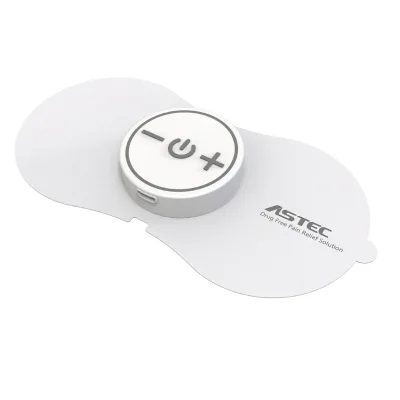
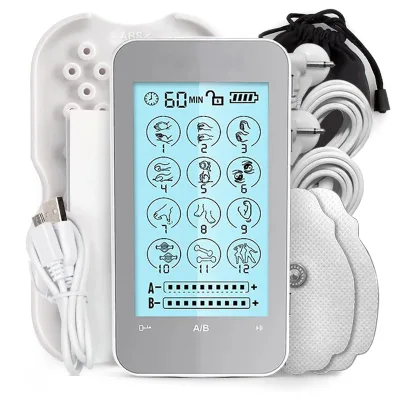
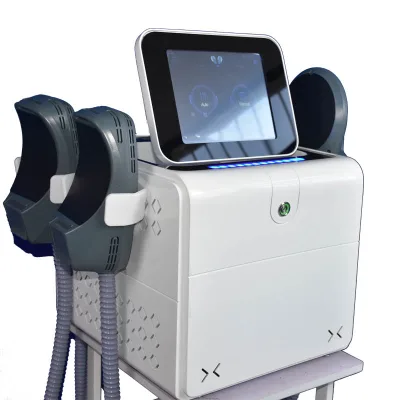
Comprehensive Sourcing Guide
Strategic Sourcing Guide for Rechargeable EMS Abdominal Muscle Stimulators
The global demand for home fitness and rehabilitation equipment has surged, placing rechargeable EMS (Electrical Muscle Stimulation) abdominal muscle stimulators at the forefront of the B2B procurement landscape. For buyers navigating this sector, the distinction between marketing claims and verifiable product specifications is paramount. The current market offers a diverse array of devices, ranging from simple portable units to complex multi-function health equipment. This guide provides a disciplined framework for sourcing these products, grounded in observed market data and technical realities, ensuring that procurement decisions are based on evidence rather than speculation.
Technical Specifications and Functional Architecture
When evaluating potential suppliers, the first step is a rigorous analysis of the technical architecture. The core functionality of an EMS device relies on its ability to deliver controlled electrical impulses to muscle groups. Based on observed product attributes in the current market, the functional capabilities vary significantly. Some units are designed with specific "Massage Modes," with observed configurations offering up to 8 distinct modes, while others may feature "19 gear" settings for more granular control. This variation directly impacts the user experience and the device's suitability for different therapeutic or fitness goals.
The power source is another critical technical differentiator. A "rechargeable" designation implies the integration of an internal battery. Market observations indicate that battery capacities can range widely, with specific units documented at 150mAh. Buyers must verify the actual capacity against the claimed usage time, as a higher mAh rating generally correlates with longer operational periods between charges. Furthermore, the control mechanism is a key indicator of product sophistication. While some devices utilize "manual-wired control," others may offer more advanced interfaces. The presence of "timing control" functions is also a standard feature in higher-end models, allowing users to set specific duration intervals for treatment sessions.
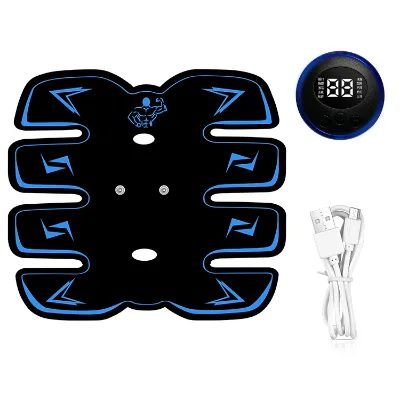
The physical design and material composition are equally important for durability and comfort. The "Material" of these devices is predominantly "Plastic" or a composite of "ABS+PU," which offers a balance of lightweight portability and structural integrity. The "Product Type" can range from a "Massage CUSHION" to a "Massage Belt" or a general "Body Massager." For abdominal applications, the "Massage area" is typically focused on the "Waist" or "Abdominal" region, though some multi-function units claim coverage for the "Neck Back Shoulder Waist Buttock." The "N.W." (Net Weight) is a crucial factor for portability; observed units weigh between 220g and 230g, making them highly portable. The "Single package size" and "Package size" dimensions, often around 22x20x3 cm or 16x18x10 cm, dictate logistics costs and storage requirements.
Compliance, Certification, and Safety Standards
In the medical and wellness device sector, compliance is not merely a regulatory hurdle but a fundamental requirement for market access and consumer trust. While specific certification statuses for individual units in the current market data are limited to a low-confidence background mention of "CE," buyers must treat this as a starting point for verification rather than a guaranteed attribute of every listed product. The "CE" marking indicates conformity with health, safety, and environmental protection standards for products sold within the European Economic Area, but it does not automatically imply compliance with other regional standards such as FDA regulations in the United States or IEC standards globally.
Buyers should demand explicit documentation regarding electrical safety, electromagnetic compatibility (EMC), and biocompatibility of materials. The "Place of Origin" for many of these devices is listed as "China," with specific manufacturing hubs in "Guangdong, China." While this region is a major manufacturing center, the variability in quality control across different factories necessitates a robust verification process. The "Warranty" period, often observed as "1 Year," serves as a proxy for the manufacturer's confidence in their product's longevity and safety. A lack of a clear warranty or a warranty period shorter than the industry standard of one year may indicate lower quality control or higher risk of failure.
Cost Drivers and Pricing Dynamics
Understanding the cost structure of EMS abdominal stimulators is essential for budgeting and margin analysis. The observed price range in the market is extensive, spanning from $1 to $1,532.94 USD. This wide disparity is driven by several factors, including the complexity of the circuitry, the quality of the battery, the number of massage modes, and the inclusion of additional features like infrared physiotherapy or body-building functions. Lower-priced units often rely on basic "Plastic" construction and minimal "Massage Modes," whereas premium units may feature advanced "ABS+PU" materials, "Infrared physiotherapy" capabilities, and comprehensive "After-sale Service" packages.
The "MOQ" (Minimum Order Quantity) is another significant cost driver. Market data shows an MOQ range from 1 piece to 300 pieces. Suppliers offering an MOQ of "1pcs" are typically catering to small retailers or drop-shippers, often at a higher unit cost due to the lack of economies of scale. Conversely, suppliers with higher MOQs, such as 300 pieces, may offer more competitive pricing but require a larger capital outlay. The "Supply Ability," observed at "100000 pieces per Month" for some manufacturers, indicates the capacity to handle large-scale orders, which can stabilize pricing and ensure consistent supply during peak demand periods.
Typical Applications and Market Segmentation
The application of these devices defines their target market and usage scenarios. While the primary function is "Muscle stimulation," the specific application varies. Some units are marketed specifically for "Body Building" or "slimming," targeting fitness enthusiasts looking to tone abdominal muscles. Others are positioned as "Electrical functional ems body shaper" devices for aesthetic purposes. There is also a segment focused on "Infrared physiotherapy" and rehabilitation, targeting users recovering from injuries or seeking pain relief in the "Waist" and "Abdominal" areas.
The versatility of the device is often highlighted by its "Feature" set, such as "Portable/Muscle stimulation shape" or "Portable/EMS/Muscle stimulation shape." The "Application" field often lists "Body" or specific areas like "Abdominal," "Waist," "Neck," "Back," "Shoulder," and "Buttock." This broad application range suggests that many devices are designed as multi-functional tools rather than single-purpose instruments. For B2B buyers, understanding the specific application of a product is crucial for aligning inventory with customer needs. A device marketed for "Body Building" may not be suitable for a medical clinic focused on rehabilitation, and vice versa.
Supplier Evaluation and Operational Capabilities
Selecting the right supplier requires a deep dive into their operational capabilities and service offerings. The "Brand Name" is a significant factor, with observed brands including "muralkon" and "FOYOGA." While brand recognition can influence sales, it is not the sole indicator of product quality. Buyers should evaluate the supplier's "Custom Service" options, which often include "Logo, Color, Manual, Package" customization. This level of customization is vital for private label strategies, allowing buyers to build their own brand identity.
The "OEM/ODM" status is another critical evaluation metric. Many suppliers state that "OEM/ODM" is "Warmly Welcomed," indicating a willingness to adapt products to specific buyer requirements. However, the extent of this customization—whether it involves changing the circuit design, the material composition, or the software interface—must be clarified. The "After-sale Service" is equally important; observed services range from "Onsite Training" to "Online Technical Support." For a B2B buyer, the availability of responsive technical support can be the difference between a successful product launch and a costly failure due to user confusion or device malfunction.
Quality Control and Long-Term Procurement Considerations
Ensuring consistent quality is the responsibility of the buyer as much as the supplier. The "Single gross weight" and "Single package size" provide baseline data for logistics, but the actual quality of the "Product Name" items, such as the "Body muscle stimulator" or "Ems muscle stimulator," must be verified through sampling. The "Model Number," such as "CAA-06," "Six Belly and Waist Massager," "YM-276," or "FYJ-1019S," serves as a unique identifier for specific product iterations. Buyers should request detailed test reports and performance data for these specific model numbers to ensure they meet the required standards.
Long-term procurement considerations involve assessing the supplier's ability to maintain consistency over time. The "Port of dispatch," often listed as "shenzhen&hk," indicates the logistical hubs used for shipping. Buyers should consider the reliability of these ports and the associated lead times. The "Packaging Details," typically "color box," should be evaluated for durability and branding potential. Furthermore, the "Feature" of the product, such as its "Portable" nature, must be maintained through rigorous quality control to prevent damage during transit.
| Feature Category | Observed Variations | Procurement Verification Point |
|---|---|---|
| Massage Modes | 8 Modes, 19 Gear | Verify mode count and adjustability via demo unit. |
| Battery Capacity | 150mAh (observed) | Request discharge test results for actual runtime. |
| Material | Plastic, ABS+PU | Inspect material samples for durability and texture. |
| Massage Area | Abdominal, Waist, Full Body | Confirm target muscle groups match intended application. |
| Control Function | Manual-wired, Timing control | Test interface responsiveness and ease of use. |
| Warranty | 1 Year (observed) | Review warranty terms and claim process details. |
| Customization | Logo, Color, Package | Confirm minimums and lead times for custom orders. |
Conclusion
Sourcing rechargeable EMS abdominal muscle stimulators requires a methodical approach that balances technical specifications, compliance requirements, and supplier capabilities. The market offers a wide spectrum of products, from basic 150mAh units to advanced multi-function devices with 19 gear settings. Buyers must navigate this landscape by verifying claims against observed data, demanding proof of certification beyond low-confidence background mentions, and evaluating the supplier's ability to support long-term business needs. By focusing on concrete attributes such as battery capacity, material composition, and after-sale service, buyers can mitigate risks and secure a supply chain that delivers value and reliability. The key to success lies in treating product attributes as observations to be verified rather than assumptions to be accepted, ensuring that every procurement decision is grounded in evidence and aligned with strategic business goals.
FAQs
What battery capacity do these stimulators typically have?
Observed units feature a battery capacity of 150mAh. Buyers should verify actual runtime through discharge tests as capacity varies by model and usage intensity.
Which massage modes are available for abdominal stimulation?
Products offer varying configurations with up to 8 modes or 19 gear settings. The specific number of modes depends on the manufacturer and model selected.
Can I find suppliers offering logo and package customization?
Yes, many manufacturers welcome OEM and ODM services including logo, color, manual, and package customization. Minimum order quantities for custom items may differ from standard listings.
How much do these devices weigh for portability?
Net weight observations range from 220g to 230g for individual units. This lightweight design supports the portable feature claim for easy transport and use.
What is the typical warranty period for these devices?
A one-year warranty is commonly observed for these muscle stimulators. Buyers should confirm specific warranty terms and claim processes before finalizing bulk orders.
Which materials are used to construct the device body?
Materials are primarily plastic or a composite of ABS plus PU. These materials balance structural integrity with the lightweight requirements for portable muscle stimulation devices.
Can I source these products from Guangdong, China?
Yes, specific products list Guangdong, China as their place of origin. Buyers can verify supplier locations and shipping ports like Shenzhen or Hong Kong for logistics planning.